This article contains Amazon affiliate links. As an Amazon Associate we earn from qualifying purchases.
Short answer : Choosing the best lawn mower for 2026 starts with matching the machine to your lawn, not chasing the longest feature list. For most homeowners, the key decision is between a push mower for small, simple yards, a self-propelled model for larger or sloped lawns, and a ride-on or robotic option for big properties where mowing time is a real burden. Power source matters just as much: corded electric suits compact lawns near an outlet, battery electric keeps things quiet and fume-free, and petrol remains the choice for heavy growth and long run times. Before buying, measure your lawn, note slopes, obstacles and storage space, and decide whether mulching, bagging or side discharge fits how you want to handle clippings. A well-matched mower with a comfortable handle height and easy cutting-height adjustment will serve you better than extra features you never use.
In short
- Measure your lawn area and slope first, since these two factors decide push, self-propelled or ride-on.
- Corded electric mowers suit small lawns close to power; battery models trade run time for freedom.
- Petrol mowers handle thick growth and long sessions but need fuel, maintenance and more storage space.
- Check cutting-height range and adjustment ease to match your grass type and seasonal growth.
- Confirm mulching, bagging and side-discharge options plus deck width for tight paths and gates.
Why Choosing the Right Lawn Mower Matters for Your Home

A lawn mower is one of the few pieces of outdoor equipment a homeowner uses repeatedly throughout the growing season, often every week or two during peak growth. Because that routine repeats so frequently, small differences in how a machine performs compound quickly. A mower that cuts cleanly and starts reliably turns mowing into a manageable chore; one that struggles with thick grass, clogs constantly, or leaves ragged tips makes every session longer and more frustrating. Choosing deliberately, rather than grabbing whatever is available, is what separates a tool that lasts for years from one that gets replaced after a season or two.
The first practical consideration is the size and layout of your lawn. On a small, flat, uncluttered yard, a compact push mower is easy to maneuver and store, and its lighter weight means less effort per pass. As lawn size grows, the time cost of pushing becomes the dominant factor, and a self-propelled mower earns its keep by carrying the machine forward while you steer. Properties with slopes, narrow gates, trees, and flower beds reward agility and good traction over raw cutting width, since a wide deck that cannot fit between obstacles slows you down more than it helps.
Grass type and growing conditions also shape the decision. Cool-season grasses that grow tall and thick demand more cutting power and a deck that discharges clippings efficiently, while fine, slow-growing turf tolerates a lighter machine. If you prefer to leave clippings on the lawn as natural mulch, look for a mower designed to discharge finely and evenly rather than one that clumps. Homes surrounded by mature trees also face leaves and debris in autumn, and a mower that handles mulching or bagging well extends its usefulness beyond the summer months.
How you intend to manage clippings and lawn health matters as much as raw power. Bagging collects debris for composting or disposal and keeps the surface tidy, while mulching returns nutrients to the soil and saves the effort of emptying a bag repeatedly. Side discharge is fastest for large, open areas where appearance is less critical. Matching the mower’s clipping system to your habits avoids the common mistake of buying a bagging-focused machine and then never using the bag, or choosing mulch-only and then fighting clumps in wet grass.
Finally, consider storage, maintenance, and the physical effort you are willing to invest. A mower that fits your shed or garage and is simple to service—easy access to the blade, straightforward oil and filter changes, readily available replacement parts—stays in good working order far longer than one that is awkward to maintain. The right choice balances lawn size, terrain, grass conditions, clipping preferences, and storage against your budget and stamina, so the machine you buy is one you will actually use consistently season after season.
Key Factors to Evaluate Before Buying a Lawn Mower
Before comparing specific machines, it helps to understand which criteria actually shape the buying decision. The first and most consequential factor is the size and layout of your lawn. A small, flat, rectangular yard with few obstacles is forgiving and suits almost any mower type, while a larger property with slopes, trees, flower beds, and narrow passages demands more careful matching. As a rough guide, compact city lots are usually well served by lighter, more maneuverable machines, whereas expansive open lawns reward wider cutting decks and greater fuel or battery capacity that reduce the number of passes and refuels.
The next consideration is how the mower will be powered, since each option carries distinct trade-offs. Corded electric models are light and quiet but tethered to an outlet, which limits their practical range. Battery-powered mowers offer freedom of movement with no exhaust, though runtime and battery cost matter. Petrol mowers deliver sustained power for large or rough terrain but require fuel handling and more maintenance. The right choice depends on lawn size, tolerance for noise, and willingness to maintain equipment.
Cutting height adjustment and deck quality directly affect lawn health and appearance. Look for a mower with easily selectable height settings so you can adapt to seasons and grass types, and consider whether a mulching, side-discharge, or bagging capability fits how you want to handle clippings. A sturdy deck and sharp, well-supported blades produce a cleaner cut and resist scalping on uneven ground.
Maneuverability and storage deserve equal attention. Self-propelled drive helps on slopes and larger lawns, while a lighter push mower excels on flat, modest yards. Think about where the machine will live between uses: folding handles and compact footprints make a real difference in tight garages or sheds. Finally, weigh ongoing costs and upkeep, including blade sharpening, battery replacement, and routine servicing, alongside the initial outlay. Matching these practical factors to your actual lawn conditions will narrow the field far more effectively than any single specification.
Push Mowers vs. Self-Propelled Mowers: Which Suits Your Yard
The first decision most homeowners face is whether to walk behind a mower under their own power or let the machine do the pulling. Push mowers—sometimes called manual or walk-behind mowers—rely entirely on you to move them forward, while self-propelled models use a drive system to turn the wheels and carry the mower along at a steady pace. That single difference shapes how much effort a mowing session demands, how well the mower handles slopes and thick grass, and how much you’ll pay.
Push mowers make the most sense on small, flat, uncomplicated lawns. If your yard is roughly a quarter acre or less, mostly level, and free of steep banks or dense, overgrown patches, a push mower is light, maneuverable, and easy to store. Because there’s no drive mechanism to maintain, there are fewer parts to wear out, and the mower is easier to lift, turn tightly around beds and trees, and push into a shed or garage. They also tend to cost less than comparable self-propelled models. The trade-off is that you supply all the forward force, which becomes tiring on larger lawns or in tall, wet grass that resists the blade.
Self-propelled mowers earn their keep on bigger properties and uneven terrain. A drive system—whether front-wheel, rear-wheel, or all-wheel—pulls the mower forward so you mainly steer and guide rather than push. On slopes, this is the difference between a manageable job and a strenuous one, and rear-wheel or all-wheel drive generally provides better traction and climbing ability than front-wheel drive. Self-propelled mowers also help when grass is thick or slightly long, since the drive keeps the mower moving at a consistent pace instead of stalling. The cost is higher purchase price, more maintenance (belts, transmissions, or drive gears), and added weight that makes them harder to maneuver in tight spaces.
Consider how you’ll actually use the mower before deciding. A homeowner with a compact, flat suburban lot and a preference for simplicity will likely be well served by a push mower. Someone mowing a larger yard, a yard with a noticeable slope, or one who finds pushing physically demanding will appreciate the reduced effort of a self-propelled unit. Also weigh storage and handling: self-propelled mowers are heavier and bulkier, which matters if you navigate gates, tight paths, or a crowded garage.
Finally, think about the long run. Self-propelled mowers cost more upfront and require periodic drive-system service, but they can make mowing faster and less fatiguing on demanding lawns. Push mowers are simpler and cheaper to own but demand more of your energy. Match the mower to your yard’s size and terrain and to your own stamina, and you’ll avoid buying more machine than you need—or less than your lawn requires.
Battery-Powered Mowers: Benefits for Homeowners and Pets
Battery-powered mowers have moved from niche to mainstream, and for many homeowners they now make more sense than gas alternatives. The core appeal is simplicity: no fuel to store, no oil to change, no spark plug to replace, and no pull cord to wrestle with on a cold morning. You press a button or squeeze a lever and the blade spins. For a typical suburban lawn, a modern battery platform offers enough runtime to finish the job on a single charge, and a second battery or a quick recharge covers larger properties. The practical trade-off is that runtime depends on grass conditions—dense, wet, or overgrown grass drains a battery faster than a light trim of dry lawn—so matching battery capacity to your lawn size matters more than any single specification.
For households with pets, the absence of exhaust emissions is a genuine advantage. Gas mowers release fumes while running, and the smell lingers on the machine and in the garage afterward. A battery mower produces no exhaust, which keeps the air around your yard cleaner during and after mowing—relevant if a dog or cat shares the lawn and tends to follow you around while you work. Quieter operation is the other benefit: battery mowers run at a fraction of the noise of gas models, so pets that panic at the roar of a combustion engine tend to tolerate them far better. That can mean less stress for anxious animals and a more relaxed mowing routine for you.
Battery mowers also simplify the after-mowing routine. There is no hot muffler or fuel cap to worry about, and no gasoline to store in a shed or garage where pets and children roam. You can safely park the mower, remove the battery, and put it on the charger without handling fuel or dealing with residual gas. For pet owners, that removes a cluster of hazards—spilled fuel, fumes in enclosed spaces, and the temptation for animals to investigate a warm engine—that come with gas equipment.
Consider your use case before choosing. If your lawn is small to medium and relatively flat, a battery mower handles it comfortably, and the lighter weight makes it easier to maneuver around garden beds, trees, and pet play areas. If you have a large property or thick, fast-growing grass, check runtime claims against your actual lawn size and plan on a spare battery. Battery platforms also let you share packs across trimmers and blowers, which spreads the cost. The main caveat is battery care: store packs indoors at moderate temperatures and follow the manufacturer’s charging guidance to keep runtime strong season after season.
Gas Mowers: Power and Performance for Larger Lawns
Gas mowers remain the default choice when lawn size and workload outgrow what battery platforms can comfortably handle. The core advantage is energy density: gasoline carries far more usable energy per pound than any battery pack, so a gas engine can sustain high blade torque for long, uninterrupted stretches. On a large property with thick, established turf, this translates into fewer refueling stops and no mid-job recharge waiting. If your mowing sessions routinely run long or you cut heavy growth after a stretch of rain, a gas engine’s consistent power delivery is the practical reason to choose one.
Cutting width is the first specification to weigh. Wider decks cover more ground per pass and reduce trimming overlap, which matters on open, unobstructed lawns; narrower decks maneuver better around beds, trees, and tight corners. For most large residential lawns, a mid-range walk-behind deck balances coverage and agility, while a lawn tractor or zero-turn design suits expansive, mostly open ground where speed and turning efficiency dominate. Match the deck to your actual layout rather than to the biggest number available.
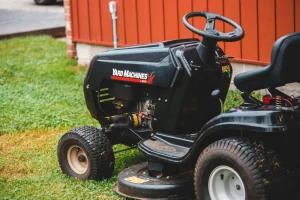
Transmission and drive type shape the day-to-day experience. Push mowers suit small, flat areas but become tiring on slopes and long runs. Self-propelled models with variable speed let you set a pace that matches your stride and the terrain. For genuinely large lawns, a riding unit or zero-turn mower turns hours of walking into a manageable task, and the tighter turning radius of a zero-turn design pays off around obstacles and landscaping.
Maintenance is the trade-off you accept with gas. Engines need regular oil changes, spark plug attention, air filter cleaning, and fresh fuel to run reliably; stale fuel and neglected servicing are the most common causes of starting trouble. Plan on seasonal servicing and proper off-season storage. Battery mowers invert this equation with far less routine upkeep but limited runtime per charge. Weigh which burden fits your habits: some homeowners prefer the hands-on reliability of a serviced gas engine, others prefer plug-in simplicity.
Use cases point clearly. Gas makes sense for multi-acre properties, thick or fast-growing grass, uneven terrain where sustained torque helps, and situations where you need to finish in one continuous session without charging breaks. For smaller, well-kept lawns, a battery model is often the better fit. If your lawn is large and your priority is raw cutting performance across long sessions, gas remains a strong, proven choice.
Robotic Mowers: Automated Lawn Care for Busy Households
Robotic mowers suit households that would rather not spend weekend hours behind a push mower, and they make the most sense on lawns that are relatively open, reasonably level, and enclosed by a boundary the mower can follow. The core appeal is frequency: instead of cutting once a week and removing a large volume of grass at once, a robot trims a little at a time, often daily, which keeps clippings fine enough to fall back into the turf as natural mulch. The result is a lawn that looks consistently tidy rather than alternating between overgrown and freshly scalped.
The practical starting point is lawn size and shape. Manufacturers rate mowers by maximum area, but those figures assume favorable conditions, so a lawn with many obstacles, narrow passages, or separate zones will effectively demand more capacity than the raw square footage suggests. Complex layouts with islands, tight corners, and multiple disconnected patches slow any mower down and may require a model with better navigation or the ability to handle several zones. Simple rectangular lawns with few obstacles are where these machines perform most efficiently.
Boundary and navigation systems are the next decision. Some mowers rely on a perimeter wire laid around the lawn and around beds or trees, which is reliable but requires installation effort, often best done before landscaping settles. Others navigate using satellite positioning or onboard sensors with reduced or no buried wire, which simplifies setup but can be sensitive to dense tree cover or tall buildings that block signals. Consider how much installation work you are willing to do and how much shade or structural obstruction your lawn has.
Slope handling matters more than many buyers expect. Robotic mowers vary in the gradients they can climb safely, and a lawn with steep banks may exceed what a given model can manage, especially when the grass is wet. Check rated slope limits against your actual terrain rather than assuming any robot will cope. Wet grass is a recurring limitation across the category, so a mower that runs on a schedule during dry periods and docks itself in rain tends to deliver better results.
Finally, think about maintenance and the surrounding routine. These mowers need their blades kept sharp, their sensors and underside cleaned, and their docking station placed with access to power. They also require you to keep the lawn free of toys, hoses, and debris, since the machine will otherwise stall or struggle. For busy households with a straightforward lawn and a tolerance for occasional oversight, a robotic mower can replace most routine cutting; for very complex or steep gardens, a conventional mower may still be the more dependable choice.
Understanding Cutting Width, Deck Size, and Mulching Options
Cutting width is the single measurement that most directly shapes how a mower feels to use, because it determines both how fast you finish and how easily you maneuver. A wider deck covers more ground per pass, which matters on large, open lawns where trimming around obstacles is minimal. A narrower deck takes more passes but turns more easily, fits through gates, and slips between planting beds and fences without constant repositioning. As a rough rule of thumb, compact city lots and yards with many trees, islands, or curved borders tend to reward a narrower cut, while broad rectangular lawns with few obstructions benefit from the time saved by a wider one. The practical question is not which width is “best” in the abstract but which width matches the shape and clutter of your particular lawn.
Deck size and cutting width are related but not identical, and the distinction matters when you shop. The deck is the shell that houses the blade or blades, and its size influences how close the mower can cut to edges, how much clippings it can discharge, and how heavy and bulky the machine becomes. A larger deck adds weight and can make a mower harder to push or steer around tight corners, while a smaller deck keeps the unit lighter and more agile. When comparing mowers, look at the actual cutting width rather than assuming a bigger deck automatically means a better cut, and consider how the deck’s shape affects trimming along walls and borders.
Mulching is the third piece of the puzzle, and it changes how you handle clippings rather than how wide you cut. A mulching mower recirculates clippings inside the deck and chops them repeatedly before dropping them back onto the lawn, where they break down and return nutrients to the soil. This works best when you mow regularly and remove only a modest amount of grass at a time, so the clippings are fine enough to disappear into the turf. Let the grass grow long and the same mulching deck can leave visible clumps, which defeats the purpose.
Most mowers offer more than one discharge mode, and understanding the trade-offs helps you choose. Side discharge throws clippings out to the side, which is fast and handles taller grass well but scatters debris across the lawn and can be awkward near beds or walkways. Rear discharge spreads clippings more evenly behind the mower. Bagging collects clippings for disposal, useful when grass is long, wet, or when you want a very tidy finish before an event. A mower with a mulching plug or a selectable mulching mode gives you flexibility to switch approaches as conditions change through the season.
Match these features to your routine rather than to a spec sheet. If you mow often and want to skip bagging, prioritize a mower with a genuine mulching capability and a deck sized to your lawn’s openness. If your yard is tight and obstacle-heavy, favor a narrower cutting width and lighter deck for control. If you deal with fast growth or wet conditions, keep bagging or side discharge available as a fallback. The right combination is the one that fits how you actually mow, not the largest numbers on the box.
How to Match a Mower to Your Lawn Size and Terrain
Lawn size is the first filter, and the categories are broad enough to guide a decision without precise measurement. For small, enclosed yards—roughly a modest front garden or a compact courtyard—a walk-behind mower with a narrower cutting deck is easier to maneuver around obstacles and edges, and its lighter weight makes it simple to push and store. As lawns grow into the medium range, typical of most suburban back gardens, the trade-off shifts toward cutting width and grass collection capacity: a slightly wider deck reduces the number of passes, while a larger bag means fewer interruptions to empty clippings. On large, open lawns, the time saved per pass becomes the dominant factor, and a wider deck or a ride-on machine starts to justify itself. The practical rule is that the bigger the open area, the more a wider cut pays off; the more obstacles, the more agility matters.
Terrain then refines the choice. Flat, even ground is forgiving and suits almost any mower type, including simpler push models. Slopes change the calculus: on gentle inclines, a self-propelled walk-behind reduces the effort of pushing uphill and improves control on the way down, while steeper gradients call for machines rated for slope work and for cautious, across-the-slope mowing patterns rather than straight up and down. Uneven ground with dips and bumps favors a mower with adjustable cutting height and a deck that follows the contours reasonably well, since a rigid setup will scalp high spots and leave low spots too long.
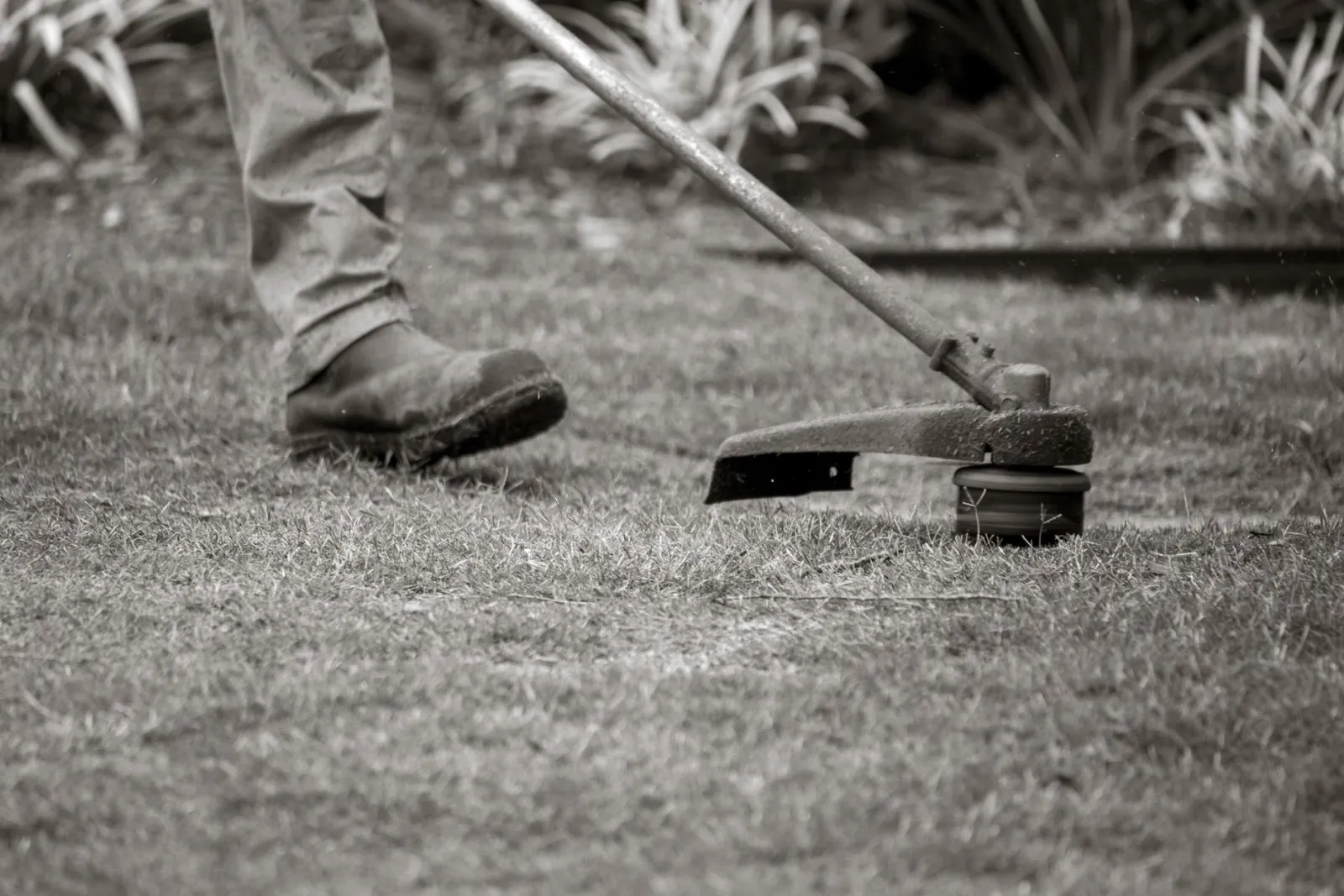
Lawn shape and the density of obstacles matter as much as raw area. A rectangular lawn with clear borders is efficient to mow in straight stripes, but a garden broken up by trees, flower beds, a shed, and winding paths rewards a narrower, more nimble machine that can turn tightly and reach under branches. In these layouts, a wide deck can actually slow you down because you spend more time maneuvering and trimming around edges. Consider how much of the perimeter needs a string trimmer regardless of mower choice—heavy edging requirements favor a mower that leaves a clean, accessible edge.
Grass type and growth habit also feed into the decision. Fine, ornamental lawns that are cut frequently suit a reel-style mower for a clean scissor cut, while tougher, faster-growing grasses are better handled by a rotary mower with adjustable height and enough power to cope with thicker growth. If your lawn goes through periods of rapid growth, prioritize mulching capability and cutting height range over sheer deck width.
Finally, weigh storage and access. A machine that is awkward to wheel through a side gate or lift into a shed will discourage regular use, and inconsistent mowing shows quickly in lawn quality. Match the mower to the space you actually have to store and move it, not just to the area you intend to cut.
Maintenance Tips to Keep Your Mower Running Longer
Maintenance is what separates a mower that lasts a decade from one that struggles after a few seasons. The single most important habit is keeping the blade sharp. A dull blade tears grass rather than cutting it, leaving ragged tips that brown and invite disease, and it forces the engine to work harder. Sharpen the blade at the start of the season and check it periodically through heavy growth periods; if the cut looks frayed or the mower labors in grass it used to handle easily, it is time to sharpen or replace the blade. Always disconnect the spark plug before touching the blade, and balance it after sharpening so the shaft does not vibrate.
Engine care follows a simple rhythm. Check the oil level before each use on a four-stroke engine and change the oil at the interval your manual specifies, which for most residential mowers means roughly once a season. Old, dirty oil accelerates wear on moving parts. Air filters matter more than many owners realize, especially on dusty properties or after dry spells; a clogged filter starves the engine of air and causes rough running. Clean or replace it as conditions demand. Spark plugs are inexpensive and easy to swap, and a fresh plug resolves many hard-starting complaints.
Fuel deserves attention, particularly at the end of the season. Gasoline degrades over time and can leave deposits in the carburetor, which is a common cause of spring starting problems. If your mower will sit for months, run the tank dry or use a fuel stabilizer according to the product instructions. For smaller yards where a tank lasts a long time, buy fuel in smaller quantities so it stays fresh.
Deck and undercarriage cleaning protects both performance and durability. Clippings and dirt accumulate under the deck, and damp buildup encourages rust and interferes with airflow, which reduces the quality of the cut. Scrape the underside after use once the machine has cooled, and hose off the deck where the manufacturer permits it. On self-propelled models, check the drive belt and wheels periodically for wear, and keep cables and linkages free of debris so controls respond properly.
Storage and seasonal preparation tie it all together. Clean the machine before putting it away, store it under cover, and follow the manual for off-season steps. A modest investment of time spread across the year keeps a mower cutting cleanly and starting reliably season after season.
Safety Considerations for Homes with Children and Pets
Safety starts before the mower is ever switched on, and households with young children or pets need to think about it differently from a single adult maintaining a lawn. The first practical distinction is between manual reel mowers and powered machines. A reel mower has no engine, no fuel, and no ignition, so the main risks are the cutting reel itself and tipping, which makes it a reasonable choice for small yards where children play close to the house. Powered mowers, whether petrol or battery, introduce heat, moving blades under power, and stored energy, and each of these demands its own habits.
For any powered mower, the single most effective safeguard is control of the starting mechanism. Petrol models typically use a pull cord, and battery models use a key, a safety button, or a two-step start sequence. Whatever the design, the mower should be impossible for a child to start by accident, and the machine should be stored with the battery removed or the spark plug lead disconnected. Store fuel cans, batteries, and chargers out of reach and never in a shed a child can open unsupervised. A mower that is left ready to start in an unlocked garage is a far greater hazard than the blade itself.
Pets change the calculation in a different way. Dogs and cats cannot be taught to respect a spinning blade, and they often follow movement or lie in long grass. The practical rule is to walk the lawn before mowing and to keep animals indoors for the duration, not merely to one side. Debris thrown by a rotating blade, such as stones or sticks, travels further than most people expect, so bystanders and pets should be well clear rather than just outside the cutting line. Hearing protection matters for animals too: sustained engine noise at close range is unpleasant and stressful, which is another reason to keep them inside.
Discharge direction and mower type deserve attention around children. Side-discharge and rear-discharge machines throw clippings and any picked-up debris in a predictable direction, so plan the mowing pattern to send material away from play areas, patios, and windows. Mulching mowers keep clippings contained but still require the same clearance. Robotic mowers are a special case: they operate without supervision, so the boundary wire or navigation map must exclude play equipment and pet feeding areas, and the schedule should avoid times when children or pets are typically outside. The blade height on a robotic unit should be set so it does not scalp the lawn, which also reduces the chance of thrown debris.
Finally, build the routine into the household rather than relying on memory. Mowing should happen when children and pets are inside, the machine should be shut down and the battery removed before any adjustment or clearing of the deck, and the mower should never be left running unattended even briefly. Teach older children that the mower is not a toy and that the grass catcher and blade housing are off-limits, and keep the storage area locked or latched. These habits cost nothing and remove most of the realistic risk.
Frequently asked questions
What type of lawn mower is best for a small suburban yard?
For a small suburban yard, a compact push mower or a cordless battery mower usually works best. These are light, easy to maneuver around beds and fences, and need little storage space. A reel mower is a quiet manual option for flat, tidy lawns. Avoid wide-deck or ride-on machines, which are harder to turn and overkill for limited square footage. Match the deck width to your gates and paths so you can move freely.
Are battery-powered mowers powerful enough for thick grass?
Modern battery mowers handle most residential lawns well, including moderately thick grass, when you mow regularly and avoid cutting too much at once. For very tall or dense growth, take a first pass at a higher height, then lower the deck. Choose a mower with a brushless motor and a battery sized for your lawn area. Keep blades sharp, since dull blades strain the motor more than thick grass does.
How often should I sharpen or replace mower blades?
Check the blade regularly through the mowing season and sharpen it whenever you notice torn grass tips, a ragged cut, or the mower laboring. A good habit is to inspect the blade every few weeks and sharpen it several times per season, more often on sandy or stony ground. Replace the blade when it is bent, cracked, badly nicked, or worn thin. Always disconnect the spark plug or remove the battery before touching the blade.
Is a robotic mower safe to use around pets and children?
Robotic mowers are designed with lift and tilt sensors that stop the blades if the unit is picked up or tipped, and many have bump sensors and boundary wires. Still, supervise children and pets, and keep them away while the mower runs. Set a schedule that avoids play times, and explain to children that the mower is a working machine, not a toy. Follow the manufacturer’s safety instructions for your specific model.
What cutting height should I use for a healthy lawn?
Set the cutting height according to your grass type and the season. As a general rule, mow high rather than short, since taller blades shade the soil, crowd out weeds, and encourage deeper roots. Never remove more than about one-third of the blade height in a single cut. Raise the deck in hot, dry weather and lower it slightly in cooler growth periods. Check your grass species for its preferred range.
Do I need a mulching mower for my lawn?
A mulching mower is not essential, but it offers real benefits. It chops clippings finely and returns them to the soil, adding nutrients and moisture while reducing bagging and disposal. Mulching works best when you mow often and the grass is dry, so clippings break down quickly. If your lawn is overgrown or you prefer a very clean finish, a side-discharge or bagging setup may suit you better. Many mowers offer a mulch plug as an option.
How do I store a lawn mower safely during winter?
Before storing, run the tank low or drain fuel from a gas mower, or charge and remove the battery from a cordless model per the manual. Clean grass and debris from the deck and underside, sharpen or replace the blade, and check the oil on four-stroke engines. Store the mower in a dry, covered place, ideally off the floor, with the battery kept indoors at a moderate temperature. Follow the manufacturer’s winterizing steps.
Should I choose a self-propelled mower for a sloped yard?
Yes, a self-propelled mower is usually the better choice for a sloped yard. It pulls itself forward so you are guiding rather than pushing, which reduces strain and improves control on inclines. Choose a model with reliable traction and adjustable speed to match your pace. Mow across slopes rather than straight up and down where possible, and avoid mowing wet grass, which reduces grip and safety on hills.
Read next :What duvet cover size do I need? 140×200 or 240×220 compared · Best Fridge: A Complete Buyer’s Guide for Your Home · Best Robot Vacuum for Hard Floors: A Complete Buying Guide · Best Cat Breeds for Your Home: A Practical Guide for Pet Owners · Solar Panels for Campervan: Complete Buyer’s Guide
To make your choice concrete : How to Choose the Most Reliable Lawn Mower
Work out your own case in 30 seconds:
Methodology
This calculator produces an indicative estimate based on the parameters you enter. The ranges used reflect typical market tiers in the gardening space and are neither a commercial offer nor a guarantee. Prices and availability may vary.
Read next :Dog Food for Dogs with Pancreatitis: A Buyer’s Guide
Full guide :Garden & Balcony
More from this guide :
Was this guide helpful?
Share your experience with the WiseHomeGuides community.